
Rosabella
Meta · Lifestyle Image
Ad copy
Support stamina and heart health every day
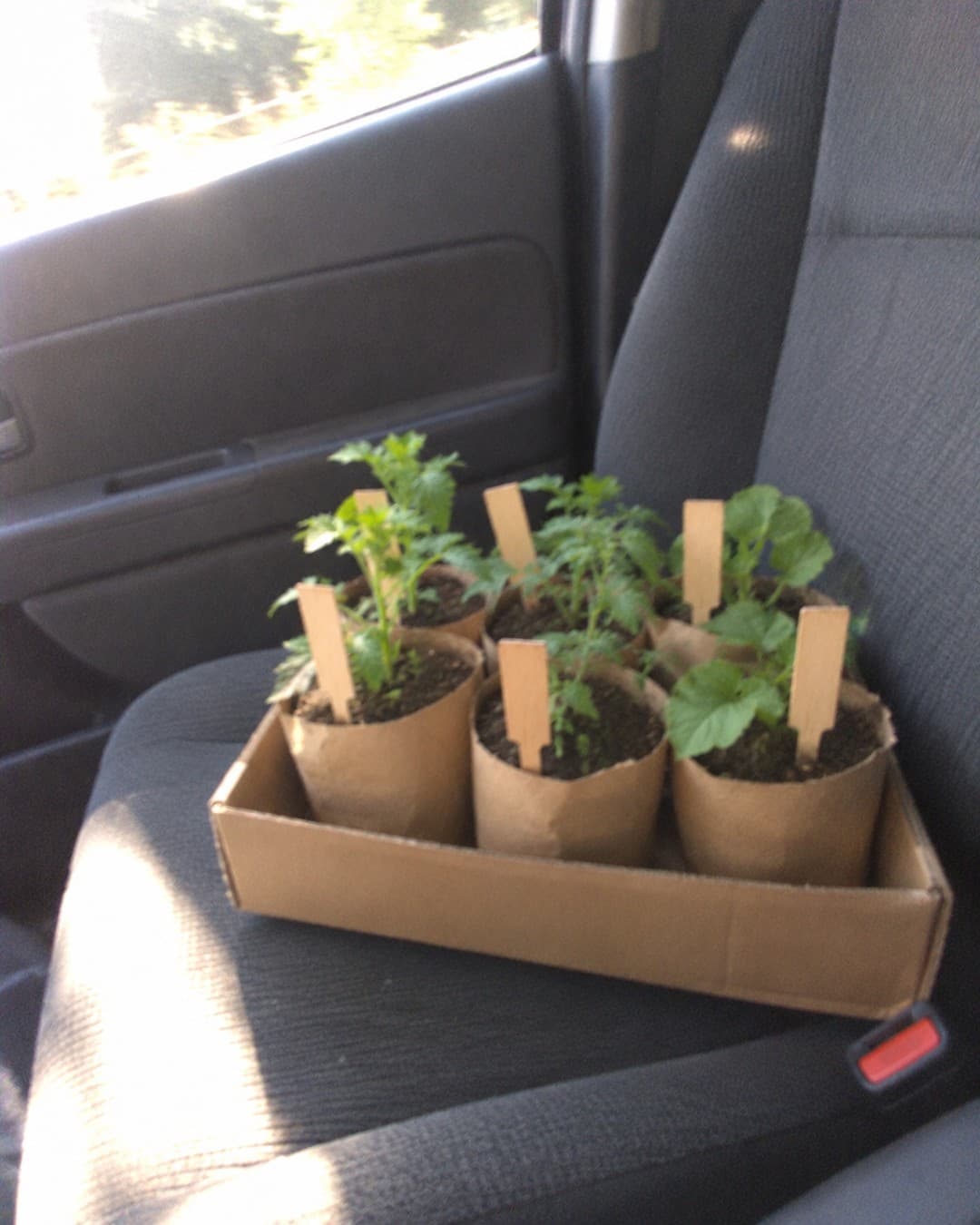
Picture a Man Who Sells His Own Tomatoes With Labels Like "Good. Cracks in Wet Years. Worth It." This is an illustrative story about a woman named Joyce, a seedling man named Ned, and a folding table that changed how she reads every label in her life. Picture the Saturday market — small, ordinary, the kind with a bread stand, an egg lady, and a man who sharpens knives while you shop. And picture the folding table at the end, because that's where this story lives. Seedlings in paper pots, a cigar box for change, and a hand-lettered tag stuck in every pot. Now picture Joyce, sixty-two, retired paralegal, standing in front of that table with a new garden bed at home and no idea what to put in it. She came for seedlings. She's about to get a seminar. But first you need Joyce, and you have met her. Joyce reads everything. Thirty-four years of contracts taught her to. She reads the fine print on warranties, the ingredients on jars, the reviews under the reviews. And this spring, planning her first real vegetable bed, she has read approximately nine hundred seed descriptions. Here is what they told her: everything is abundant. Every tomato is prolific, unmatched, a garden legend. Every bean thrives. Every packet in the rack is the best packet in the rack, according to the packet. It isn't a scandal — it's seeds; hope has always been the crop. But it leaves a careful reader in a particular spot: when everything is described as wonderful, descriptions stop helping you choose. She has concluded that's just how buying things is. Keep that. The folding table is about to overturn it. Because Ned — eighty-one, forty years a truck farmer, now retired down to one table of seedlings he starts in his kitchen window — labels things differently. Joyce picks up a tomato seedling. The tag, in careful pencil capitals: "GOOD TOMATO. CRACKS IN WET YEARS. WORTH IT." She picks up the next. "UGLY. DELICIOUS. CHOOSE." A cucumber: "RELIABLE. NOT EXCITING. NEITHER AM I." A squash, ominously: "WILL TAKE THE BED. BE SURE." Joyce laughs out loud, and Ned looks up from his thermos with the expression of a man who has heard that laugh every Saturday for years. "Something funny, dear?" "These labels. They're — honest." And Ned gives her the look that starts the seminar. "They're descriptions," he says. "That's all a label owes you. Somewhere along the line, labels started making promises instead, and everybody got used to it. "But a promise and a description are different animals, dear. "A description you can check. A promise you can only hope about." He taps the cracked-in-wet-years tag. "That one — you can check every word by August. Good? You'll taste it. "Cracks in wet years? Watch the sky in July. Worth it? Your call, but you'll have the facts by then. "Now the packet with the trophy tomato on it — nobody's lying to you there, mind. That photograph really happened, once, to somebody. "It's just the variety's best day, dressed up as its every day. You can't check a best day. You can only hope toward it." Joyce, a paralegal to her bones, asks the obvious: why doesn't everyone label like this? Ned shrugs, the shrug of a man who has thought about it for forty years. "Hope sells more seeds. Always has, no crime in it. "But I'm eighty-one, dear. I sell forty pots a Saturday to neighbors who'll see me next Saturday. "A description costs me a sale in April and buys me a customer in August. At my age, that's the better trade." And then Joyce points at a tag she'd been wondering about — an old pole bean, the tag reading "MY GRANDMOTHER'S. KEPT SINCE BEFORE ME." — and asks if heirloom means it's better. And Ned gives her the line she'll be quoting all summer. "Heirloom doesn't mean better, dear. It means somebody kept it. "Liked it enough to save the seed, year after year, when saving seed was work. "That's the whole word. The keeping is the compliment. "It doesn't promise you a thing about your bed. It just tells you this bean earned a spot in somebody's garden for a long time — which is a fact, and a lovely one, and you can decide what it's worth." Joyce drives home with six paper pots and one rearranged head. Because she is not thinking about tomatoes. She's thinking about descriptions and promises, and how nine hundred seed listings melted into fog while four pencil tags told her exactly what to buy. The trick was never more information. She'd had nine hundred pages of information. The trick was information built to be checked — claims sized so that August could confirm or deny every one of them. That's the discovery, and it's worth saying plainly — as hers, learned at a folding table: A description you can check. A promise you can only hope about. And the reason honest labels feel so rare isn't that everyone else is lying — it's that hope reads better in April. The checkable sentence is quieter, homelier, and worth more, because it stays true in August. Read labels the way Ned writes them. Ask of every line: could I check this? And Joyce's story ends small, the way a first garden should. The bed got planted — the cracking tomato, the ugly delicious one, the reliable cucumber, the grandmother bean. The squash was considered and respectfully declined; she was not sure, and the tag said be sure. What comes up in August is August's business. Now step out of the story, because the rest of this is between us and you. Everything Joyce plants, she plants because of Ned and a folding table. No supplement had anything to do with it, and nothing in this ad should be read that way — keep that straight, because the next part is about a supplement. Separately, then: here's where the beet fits — and we'll write this part the way Ned writes tags. Beetroot naturally contains dietary nitrates, and the body converts those into nitric oxide, a molecule that helps support healthy blood flow.* That's the one supportive sentence we'll state, it's marked with an asterisk to the disclaimer at the bottom, and it belongs to the vegetable. Everything else is description, built to be checked: Rosabella Beetroot is organic beetroot powder in capsules — two capsules, once a day. 1,300mg of organic beetroot powder per serving — a serving being those two capsules. One active ingredient, with the dose printed plainly on the label, nothing to decode. Non-GMO, third-party lab tested, produced under GMP, made in the USA from globally sourced ingredients. It contains no caffeine. Sixty capsules in a bottle; thirty days. And the heritage tag, written Ned's way: people have kept beets in their kitchens for generations. That's a fact about keeping, not proof of what it will do for you — the keeping is the compliment, and the label has to earn the rest on its own. Follow the directions on the label. The serving is two capsules, taken once daily. One thing before anything goes in a cart: talk to your doctor or pharmacist before adding any supplement, especially if you take any medication. This goes alongside the rest of a routine — the meals, the walks, the sleep — not in place of any of it. On Amazon, Rosabella Beetroot is rated 4.4 out of 5 across 14,557 ratings as of September 1, 2026 — a checkable number, which is why it's the only kind we print. And now the last part, plainly, because this is where the trophy-tomato photograph usually goes, and we're not printing one. Nobody here is going to promise you a transformation. We're not going to tell you what you'll feel or when. Bodies are different, and yours doesn't owe an advertisement anything. We're not going to present the story as proof of what the product does — Joyce and Ned are illustrations, and we said so in the first line so the distinction stays clear. And we're not going to dress a plain thing up as its best day. What we can describe, we've described — the powder, the dose, the testing, the count — every line sized so you can check it. What it will mean in your particular routine is yours to decide. The format is two capsules, once a day. That's the format. P.S. If your own shelves are full of April promises — the trophy photographs, the abundant everythings — the finding of this story, plainly: it was never that everyone was lying. It's that hope reads better than description, every April, in every aisle. So borrow Joyce's question, learned at a folding table — and for a supplement label, make it literal: can I verify this from the label, testing records, or a dated source? The claims that survive that check are the ones worth considering — in any aisle, ours included. P.P.S. What it is, plainly: organic beetroot powder in capsules — 1,300mg per two-capsule serving, one active ingredient, dose on the label, no caffeine, non-GMO, third-party lab tested. Thirty days a bottle. Those are the basics. P.P.P.S. If you're not satisfied for any reason, return the product within 90 days of delivery for a full refund. Individual experiences vary. These statements have not been evaluated by the Food and Drug Administration. This product is not intended to diagnose, treat, cure, or prevent any disease.
Call to action: Learn more
Creative notes
Ad details
Original creative belongs to Rosabella. Recreate the idea with your own copy and imagery.